
Ozempic Teeth? Let’s Talk.
What You Need to Know About the Oral Side Effects of GLP-1 Medications

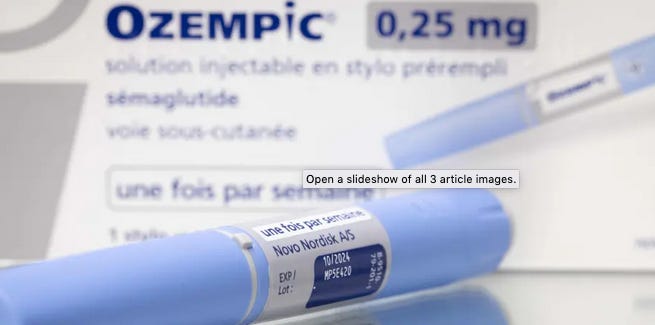
If you’ve been following health news recently, you’ve probably heard the term “Ozempic teeth”. As more patients turn to GLP-1 medications like Ozempic and Mounjaro for weight management and blood sugar regulation, dentists are noticing a pattern of oral health concerns. We have a significant number of patients on these drugs, and we are definitely seeing so many changes and I’m going to share what they are, the root causes and what you can do about it if you or a loved one is on these.
I’m not here to tell you to discontinue or continue their use. While these medications can offer life-changing benefits, they may also carry unintended consequences for your oral microbiome and dental health. That’s my main focus, and I always kindly invite everyone utilizing them - to reflect and make a super informed decision.
What Is “Ozempic Teeth”?
The phrase has emerged as patients and clinicians report:
Increased tooth sensitivity
Weakened enamel
Dry mouth
Gum recession or irritation
Unexpected dental decay
These symptoms seem to be showing up in connection with the broader class of GLP-1 agonists.
How GLP-1 Medications Can Affect Your Mouth
The mouth is home to a delicate balance of microbes that protect your teeth and gums. Several factors linked with Ozempic and similar drugs can disrupt this balance:
Dry Mouth (Xerostomia): Many patients report reduced saliva flow. Since saliva is your mouth’s natural defense system, a dry environment allows harmful bacteria to flourish and acids to attack enamel.
Reduced Appetite & Nutritional Shifts: Eating less (or eating differently) may unintentionally reduce the intake of essential vitamins and minerals that keep your teeth and gums resilient.
Gastrointestinal Side Effects: Nausea, vomiting, and reflux—common with GLP-1 medications—can expose teeth to stomach acids, leading to erosion.
Microbiome Shifts: Research suggests these drugs may alter gut bacteria. What happens in the gut directly influences the oral microbiome, creating possible ripple effects in the mouth.
Protecting Your Smile If You’re Taking Ozempic
So, what can be done to help support your oral apparatus during this time?
Prioritize hydration – to support saliva flow and oral defenses.
Rinse with baking soda
water after nausea or reflux episodes to neutralize acid.
Support your microbiome with a nutrient-rich, whole-food diet and possibly oral probiotics.
Regular dental check-ins – your dentist can catch early signs of enamel erosion or gum issues.
Gentle home care – brushing twice daily with a soft-bristle brush and fluoride- or hydroxyapatite-based toothpaste.
The Bigger Picture
Your mouth is not separate from the rest of your body. Protecting your oral microbiome is one of the best investments you can make in your overall health—especially when navigating new medications. At our office we focus on microbiome testing - to help support that balance, and we curate a specific protocol for each patient depending on their lifestyle on how to support their oral and overall wellness.
✨ As always, this newsletter is for educational purposes only and is not a substitute for medical advice. Please discuss your individual health with your prescribing physician and dentist.
With gratitude,
Dr. Leedia